


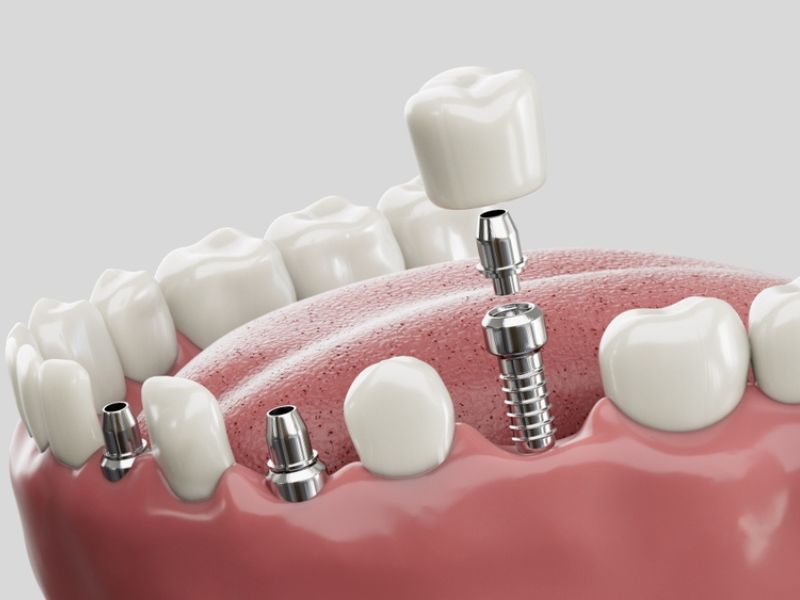
Losing a tooth can make it harder to chew food, speak, and smile. If you do not replace it, your jawbone, nearby teeth, and bite may change over time. The effects depend on which tooth is missing, how healthy your gums are, and how long the gap has been there. Delayed tooth replacement does not always mean you cannot get a dental implant, but treatment may become more difficult. If you have a missing tooth, it is helpful to know what can happen if you wait. Seeing a dentist early can help protect your teeth and gums and help you understand your treatment options.
Why Does Timing Matter After Losing a Tooth?
After a tooth is lost, the jawbone in that area no longer receives the same pressure from chewing. The bone may gradually shrink because it is no longer supporting a tooth root. This change can begin within the first few months, although the amount varies from person to person.
If you are considering dental implants in Vancouver, a dental assessment can help check the amount of bone available and whether your gums are healthy enough for treatment. An implant uses a small post placed in the jawbone to support a replacement tooth. If too much bone has been lost, additional treatment may be needed before an implant can be placed.
What Problems Can Develop If You Wait?
Leaving a missing tooth untreated can lead to several changes, although not everyone experiences all of them.
- Jawbone loss: The bone around the missing tooth may shrink over time. This can affect the support available for an implant.
- Nearby teeth may shift: Teeth beside the gap can tilt or move into the space, changing how your teeth fit together.
- Changes in your bite: Shifting teeth may affect how your upper and lower teeth meet when chewing.
- More difficulty chewing: A gap, especially near the back of the mouth, may make some foods harder to chew.
- Changes in appearance: A missing front tooth may affect your smile. Bone and gum changes can also affect the shape of the area.
A dentist in Vancouver can examine the gap and check for changes that may affect your treatment choices.
Can You Still Get a Dental Implant After Waiting Years?
Yes, an implant may still be possible years after losing a tooth. However, the condition of your jawbone, gums, and nearby teeth will help determine whether it is suitable.
If the bone has become too thin or shallow, a bone graft may be recommended to help build up the area. This can add healing time before implant placement. Gum disease or tooth decay in nearby teeth may also need treatment first.
Even if the gap has been present for a long time, do not assume an implant is no longer an option. A dental examination and, when needed, dental X-rays or 3D scans can help assess the area.
What Are Your Options for Replacing a Missing Tooth?
The best choice depends on your oral health, budget, and needs. Common options include:
Dental implant: A small post is placed in your jawbone to hold a replacement tooth. It does not need support from nearby teeth.
Dental bridge: A replacement tooth is held in place by crowns on the surrounding teeth. Those teeth may need to be shaped to support the bridge.
Removable partial denture: A removable set of replacement teeth that fills one or more gaps. You can take it out for cleaning.
Each option for replacing missing teeth has its own benefits and limits. Before choosing, ask your dentist how long it may last, how to clean it, how much it costs, and whether it may need repairs later.
How Can You Prepare for Implant Treatment?
A dental visit is the best place to start if you have been living with a gap. During the assessment, your dental team may:
- Check your gums and the teeth around the gap.
- Review your medical history and medicines.
- Take images to assess the jawbone and plan treatment.
- Explain whether bone grafting or gum treatment may be needed.
- Discuss the expected timeline, cost, and other replacement options.
A dentist near you can help you understand the next steps based on your specific needs. Good brushing, daily cleaning between teeth, and treatment of gum disease can also help support oral health before and after implant treatment.
Is It Better to Replace a Missing Tooth Sooner?
In many cases, getting advice early helps identify changes before they complicate treatment. However, an implant does not need to be placed immediately in every situation. The timing depends on the reason the tooth was lost, the condition of the area, and whether infection or other problems need attention first.
If you have waited several months or years, an assessment can still help you understand your options. Dental implants in Vancouver may remain suitable, but the treatment plan should be based on your bone, gums, and overall oral health.
Take Control of Your Dental Health!
Leaving a gap untreated can lead to changes in your jawbone, nearby teeth, and bite. Unity Dental Centre can help you understand the condition of the area and explore suitable ways to replace your missing tooth. Book your appointment to discuss your options and plan the next step toward a healthier, more complete smile.
FAQs
How soon does bone loss start after losing a tooth?
Bone loss can start within the first few months after losing a tooth. How much bone is lost depends on the area and your oral health.
Does waiting mean a dental implant will fail?
No. Waiting does not automatically mean an implant will fail or cannot be placed. However, bone loss or other changes may make treatment more complex.
Will you need a bone graft if you have waited a long time?
Not always. A bone graft may be recommended if there is not enough bone to support an implant. Imaging helps determine whether one is needed.
Can nearby teeth move into the space?
Yes. Teeth beside a gap may gradually tilt or shift, which can affect your bite and the space available for a replacement tooth.