

A dental bridge should restore comfortable chewing and support clear speech, so pain or pressure can be concerning. Discomfort around a dental bridge may begin soon after placement or appear months later due to changes in fit or surrounding teeth.
A consultation for dental bridges in Vancouver can help identify the cause and determine whether adjustments or treatment are needed. Persistent or worsening pain deserves attention, so avoid adjusting the bridge yourself and seek professional advice promptly.
Why Can A Dental Bridge Hurt?
If you recently went through treatment for dental bridges, you may notice discomfort if the bite is uneven, gums are irritated, or a supporting tooth develops a problem. The supporting teeth and gums still need regular cleaning and monitoring.
Pain around a dental bridge can also occur when food becomes trapped beneath it or when plaque builds up along the gumline. If the discomfort continues or worsens, a dental examination can help identify the cause and determine whether the bridge or surrounding teeth need further attention.
Common Causes Of Bridge Pain
Several dental bridge problems can cause discomfort, affect your bite, or irritate the surrounding gums. Identifying the cause can help determine the right treatment and prevent further complications. Common issues include:
- High Bite: The bridge contacts opposing teeth too early, creating pressure when chewing.
- Gum Irritation: Plaque or trapped food makes the nearby tissue sore.
- Supporting Tooth Problem: Decay, a crack, or inflammation causes pain beneath the bridge.
- Food Trapping: Debris around or beneath the bridge irritates gums.
- Loose or Damaged Bridge: Movement, cracks, or a poor fit make chewing uncomfortable.
Treatment depends on the cause. A bite adjustment may help, while a supporting tooth may need separate care. Never glue a loose bridge at home.
Does Timing Matter?
Mild tenderness soon after fitting may settle as tissues adapt. Persistent, worsening, sleep-disrupting pain or difficulty chewing should be assessed. Pain starting months later may point to new decay, gum inflammation, or restoration damage.
Note whether pain occurs with cold drinks, biting, brushing, or trapped food, and mention any movement or swelling. These clues help guide an examination, but cannot confirm the cause.
When Should The Bridge Be Checked?
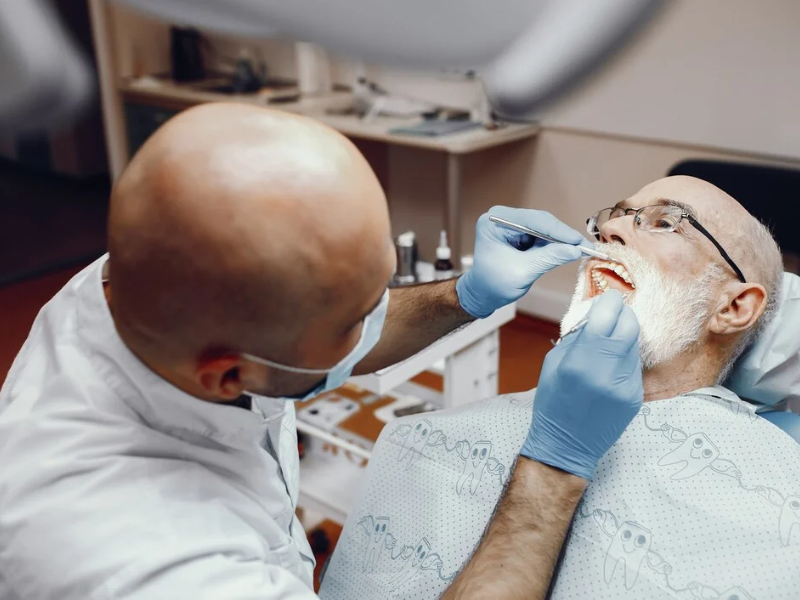
A dental clinic in Vancouver can check the bridge’s fit, bite, gums, and supporting teeth. X-rays may be needed if decay or root problems are suspected. Contact a dental professional promptly for increasing pain, movement, or swelling. Fever or facial swelling warrants urgent assessment; trouble breathing or swallowing is a medical emergency.
Changes in your bite, persistent sensitivity, or difficulty cleaning around the bridge may also indicate that it needs attention. Regular dental checkups help monitor the condition of the bridge and surrounding teeth, allowing potential issues to be identified before they become more serious.
Get It Checked Before It Worsens
Pain does not always mean the bridge needs replacing. The cause may be related to the fit, gum tissue, or a supporting tooth. Visiting a dental clinic near you can help identify the source of discomfort and determine the appropriate treatment.
Schedule a consultation with Unity Dental Centre for a timely assessment and guidance on the next steps to help.
FAQs
Why does my dental bridge hurt when I chew?
Pain may come from an uneven bite, irritated gums, trapped food, or a supporting tooth problem. An examination can check the bridge, surrounding gums, and supporting teeth. If pain recurs or worsens, arrange prompt assessment rather than changing how you chew long-term.
Is sensitivity normal after getting a new bridge?
Some short-term sensitivity may follow preparation of the supporting teeth, but symptoms should generally improve rather than intensify.
Can a tooth under a dental bridge develop decay?
Yes. Supporting teeth remain vulnerable to decay, particularly near bridge margins where plaque can collect. Brush twice daily, clean beneath the bridge using an appropriate aid, and attend routine dental visits so concerns can be identified early.
What should I do if my dental bridge feels loose?
Avoid chewing hard foods and arrange an assessment. Never use household glue or adjust the bridge yourself. Depending on the cause, it may need professional repair or replacement, or the supporting tooth may require treatment.