

Do you want a brighter smile but worry that teeth whitening may make your sensitive teeth worse? This is a common concern, especially if cold drinks, hot foods, or sweets already cause discomfort. Teeth whitening in Vancouver may still be an option for some people with sensitive teeth. However, it is important first to find out what is causing the sensitivity and check the health of your teeth and gums. Sensitivity may be caused by worn enamel, receding gums, cavities, or other dental problems. Finding the cause first can help you know if whitening is safe and suitable for you.
Understanding how whitening works, what may trigger sensitivity, and which precautions can help protect comfort can make it easier to decide whether whitening is right for your smile.
Can You Whiten Sensitive Teeth?
Yes, sensitive teeth can still be whitened, but extra care may be needed. Whitening products can sometimes cause temporary sensitivity by affecting the nerves inside the teeth.
If your teeth are often or very sensitive, it is important to be careful. A dental checkup can help find out if the sensitivity is caused by worn enamel, receding gums, cavities, cracks, or another problem.
What Is the Best Teeth Whitening for Sensitive Teeth?
The best teeth whitening for sensitive teeth depends on individual oral health and the reason for sensitivity. There is no single whitening method that works best for everyone.
A dentist near you may consider:
- The cause and severity of sensitivity
- The condition of the teeth and gums
- The type of stains being treated
- The strength of the whitening product
- Whether professional or at-home whitening is more suitable
Treating an underlying dental problem before whitening may be recommended if sensitivity is caused by decay, damaged teeth, or gum concerns.
Why Does Whitening Cause Sensitivity?
Whitening can sometimes lead to temporary sensitivity, especially when stronger products are used or when treatment is performed too often. The discomfort may be noticed when eating or drinking something hot, cold, sweet, or acidic.
Sensitivity may be more likely when:
- Enamel has become worn.
- Gums have receded and exposed sensitive areas.
- Teeth already react strongly to temperature.
- Whitening products are used too frequently.
- A whitening product is stronger than needed.
Sensitivity is usually temporary, but a dental professional should assess persistent or severe discomfort.
How Can Sensitivity Be Reduced During Whitening?
A dentist in Vancouver can help determine how to approach whitening when sensitivity is a concern. Depending on the situation, adjustments may be made to the treatment plan to improve comfort.
Possible steps may include:
- Using a lower-strength whitening product
- Spacing out whitening treatments
- Following the recommended treatment time
- Using products designed for sensitive teeth
- Avoiding very hot or cold foods for a short period after treatment
- Addressing existing dental problems before whitening
Following professional instructions is important because using whitening products more often or for longer than recommended may increase the chance of sensitivity.
Is Professional Whitening Better for Sensitive Teeth?
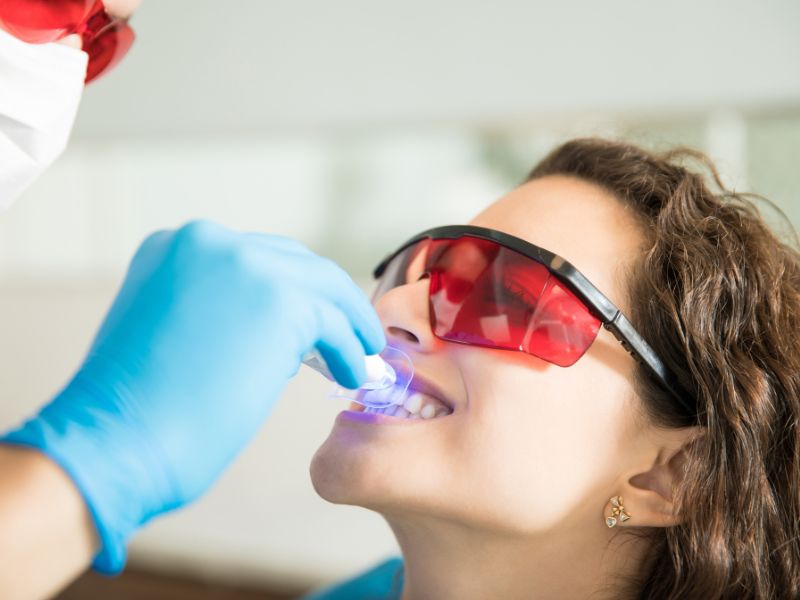
Professional whitening may offer the benefit of an assessment before treatment begins. This allows the condition of the teeth and gums to be checked and helps determine whether whitening is appropriate.
Professional whitening can also be adjusted to suit your needs. However, it may not be right for everyone with sensitive teeth. The best option depends on what is causing the sensitivity and the health of your teeth and gums.
What Should You Avoid Before and After Whitening?
Certain habits may make sensitivity more noticeable during or after whitening. Taking a few simple precautions may help reduce discomfort.
Consider limiting:
- Very hot or cold drinks
- Highly acidic foods and drinks
- Very sweet foods
- Whitening products used more often than directed.
- Abrasive brushing that may irritate sensitive areas
Using a soft-bristled toothbrush and brushing gently can also help protect the teeth and gums.
Get Personalized Guidance Before Whitening!
Having sensitive teeth does not mean you cannot have a brighter smile. However, it is important to find the cause of your sensitivity before whitening. A dental checkup can help find problems such as worn enamel, receding gums, cavities, or other concerns that may need treatment first. With the right advice, you can choose a whitening option that suits your teeth and sensitivity level. Book an appointment with Unity Dental Centre to discuss your concerns, learn about your whitening options, and find a safe approach that supports your oral health and comfort.
FAQs
Can whitening make sensitive teeth more sensitive?
Yes. Whitening may cause temporary sensitivity in some people. The level of sensitivity can depend on the condition of your teeth and the whitening method used.
Should I avoid whitening if my teeth are sensitive?
Not always. Whitening may still be possible, but the cause of sensitivity should be checked first. A dentist can tell you if whitening is right for you.
How long does whitening sensitivity last?
Sensitivity is often temporary and improves after whitening. If it lasts or becomes severe, talk to a dentist.
Can whitening toothpaste help sensitive teeth?
Whitening toothpaste can help remove surface stains but may not whiten teeth as much as professional treatment. Toothpaste made for sensitive teeth may be a better choice if you have discomfort.