

Have you been diagnosed with bone loss in your jaw and are now concerned about the possibility of having dental implants placed? Many patients think that having lost bone means they will never be able to restore their smile with dental implants; that is not always true. With modern dentistry, we have a couple of advancements that allow dental implants to be a viable option for more people than ever.
When you choose dental implants in Vancouver, the first thing your dentist will do is assess your jaw for the extent of the bone loss and to see if any adjunctive procedures (like bone grafting) are needed to build a strong foundation for the implant. Thankfully, even with bone loss, there will often be a way for the dentist to place a dental implant with the right preparation and aftercare.
What Causes Bone Loss Around Dental Implants or Natural Teeth?
Bone loss occurs when there is not normal stimulation from a tooth root to your jawbone. Bone loss can be the result of:- Missing teeth: Without stimulation, your bone will shrink over time.
- Advanced gum disease (periodontal disease): Gum disease damages the supporting bone.
- Poorly fitting denture: Poorly fitting dentures can hasten bone loss.
- Trauma or infection: Affects any of the bone structures.
Can You Get Dental Implants If You Have Periodontal Disease?
It depends on the severity and whether the disease is controlled. If the gum disease is active, it can affect the healing of the dental implants and lead to failure. The dentist in Vancouver will first treat the infection and heal the gum, and possibly do bone regeneration, before proceeding with any implant treatment for the gum disease. If the gum disease has already resulted in significant bone loss, treatment is still possible, as bone grafting can be done. The point is, the gums and supporting structures must be healthy before you place the implant.How Can Bone Grafting Help When Bone Loss Is Present?
Bone grafting adds volume and density to the jawbone by placing bone material from your body or a synthetic source into the area. Over time, the graft will fuse to your natural bone to form a fixed base for an implant. Bone grafting can be done:- Before implant surgery, to rebuild the jaw
- At the same time as implant placement, in minor cases.
Are There Alternatives to Traditional Bone Loss Implants?
Yes, here are some choices:- Zygomatic implants: Put into the cheekbone to make up for a missing jawbone.
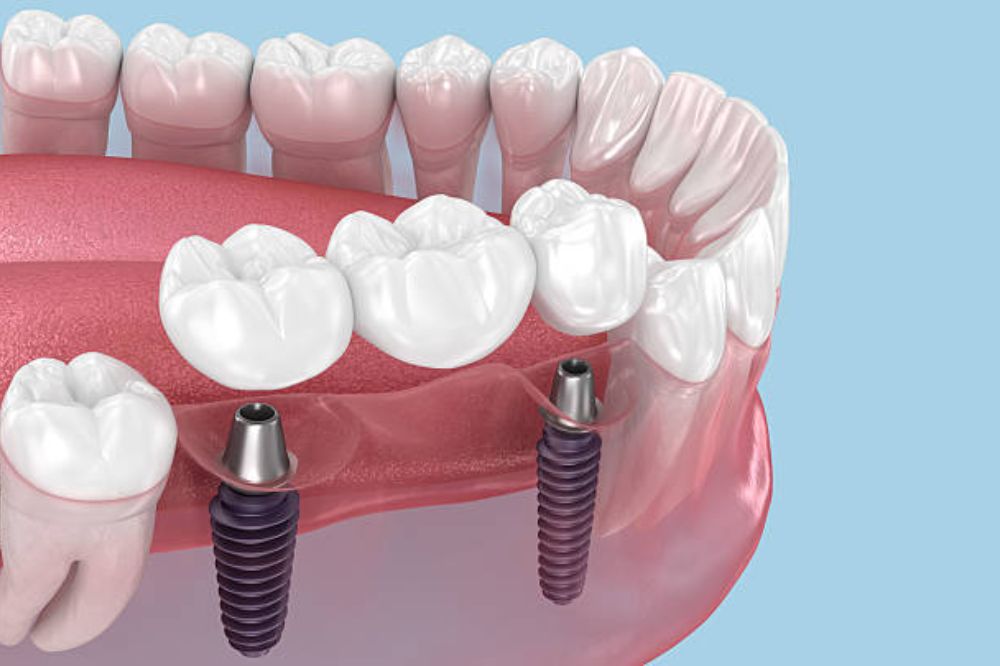
- All-on-4 treatment: Uses four screws in the jaw and often doesn’t need extra bone added.
- Mini dental implants: Use less bone, need smaller cuts, and are easier to place.
What Can You Do to Protect Your Implants After Bone Loss Treatment?
After receiving your implants, your next task is to ensure you protect your bone health. Consider the below to protect bone health:- Brush and floss every day to combat gum disease.
- See your dentist for routine cleanings and checkups.
- Don’t smoke; smoking can inhibit your healing and increase your chance of bone loss.
- Follow all postoperative instructions regarding care and diet.