

Six Month Smiles, ClearCorrect, and Invisalign are all options that can help adults straighten their teeth and improve their smiles. However, the right choice depends on how much your teeth need to move, what results you want, and what feels comfortable for you. Six Month Smiles mainly straightens the front teeth, while ClearCorrect and Invisalign use clear, removable trays to move teeth slowly over time. Treatment time and results vary from person to person, so the fastest option may not always be the right one. An Orthodontics consultation in Vancouver can help you find the best option based on your teeth, bite, and daily needs. Knowing how each treatment works can help you make a better choice for your smile and dental health.
What Is the Difference Between Six Month Smiles, ClearCorrect, and Invisalign?
The main difference is how each option moves teeth and which dental concerns it is designed to address. Six Month Smiles uses tooth-coloured braces, while ClearCorrect and Invisalign use clear plastic aligners.
- Six Month Smiles: Uses small brackets and a tooth-coloured wire attached to the teeth. It mainly focuses on improving the appearance of the front teeth.
- ClearCorrect: Uses a series of clear, removable aligners designed to move teeth gradually.
- Invisalign: Also uses a series of clear, removable aligners to correct selected alignment and bite concerns.
The best option depends on how much movement is needed and whether the treatment must address bite problems as well as tooth position.
Six Month Smiles vs Invisalign: Which Is Better for Adults?
Six Month Smiles may suit adults who mainly want to improve the appearance of their front teeth. Invisalign may be more suitable when several teeth or certain bite problems need correction. The choice between them depends on the amount and type of tooth movement required, not just treatment time.
For a closer look at Six Month Smiles vs Invisalign, consider these differences:
- Six Month Smiles uses fixed brackets and a wire, so it stays on the teeth throughout treatment.
- Invisalign uses clear, removable trays that need to be worn for most of the day.
- Six Month Smiles primarily focuses on the visible front teeth and is not designed to address every complex bite problem.
- Invisalign can address a range of alignment concerns, but suitability depends on the case.
Six Month Smiles may be an option for selected adults with mild alignment concerns. A dental assessment is needed to confirm whether it can meet the treatment goals.
ClearCorrect vs Invisalign: How Do They Compare?
ClearCorrect and Invisalign both use clear, removable aligners to gradually move teeth. The main differences relate to their treatment systems, planning, and the aligners provided.
Both options may help with concerns such as:
- Crowded or overlapping teeth.
- Small gaps between teeth.
- Certain mild to moderate bite concerns.
- Teeth that have shifted after earlier orthodontic treatment.
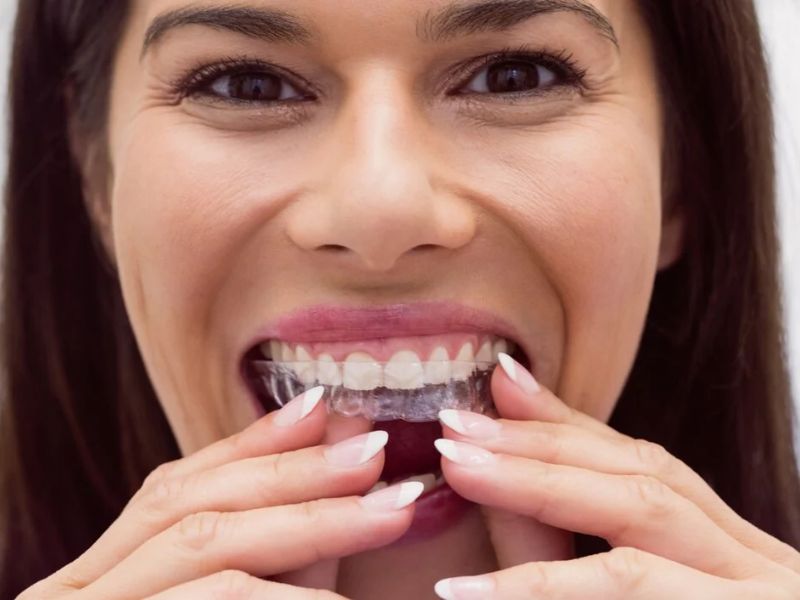
Aligners need to be worn as directed, usually for around 20 to 22 hours a day. They should be removed for meals, drinks other than water, brushing, and flossing. Skipping wear time can affect progress.
The choice between ClearCorrect and Invisalign should depend on your teeth, bite, and treatment needs rather than the brand name alone. Both options can help straighten teeth, but the right choice depends on your dental condition and treatment goals.
Which Option Is Suitable for Adult Teeth Straightening?
The most suitable option depends on the dental concern, daily routine, and expected tooth movement. A dental examination helps determine whether fixed braces or clear aligners are appropriate.
Six Month Smiles may suit adults who:
- Mainly want to improve the appearance of front teeth.
- Prefer a fixed option that does not need to be removed.
- Have alignment concerns that can be treated with this system.
ClearCorrect or Invisalign may suit adults who:
- Prefer a removable treatment.
- Want a less noticeable option.
- Can wear aligners consistently throughout the day.
- Need a treatment plan that addresses suitable alignment or bite concerns.
Good oral health is also important before starting treatment. Cavities and gum problems may need attention first. A dentist can explain the expected tooth movement, possible limits, and whether another option is more suitable.
What Should You Consider Before Choosing?
The right treatment should support healthy tooth movement and fit comfortably into daily life. Before making a decision, consider these points:
- Treatment goals: Decide whether the main concern is front-tooth appearance, crowding, spacing, or bite alignment.
- Daily habits: Removable aligners require consistent wear and regular cleaning.
- Comfort: Fixed braces and removable aligners may feel different as the teeth begin to move.
- Oral hygiene: Both options require careful brushing and flossing throughout treatment.
- Follow-up visits: Regular dental checks help track progress and identify any concerns.
A consultation at a dental clinic in Vancouver can help compare the available options. For more details about treatment choices, explore Orthodontics.
Find the Right Path to a Straighter, Healthier Smile
Choosing between Six Month Smiles, ClearCorrect, and Invisalign is an important decision that should be based on your dental needs and personal goals. The right approach can help improve tooth alignment while supporting a comfortable bite and healthy smile. Contact Unity Dental & Implant Centre to book a consultation, discuss your concerns, and learn which orthodontic option may be suitable for your smile.
FAQs
Is Six Month Smiles suitable for every adult?
No. It is primarily intended for selected cases in which the front teeth require alignment. More complex tooth or bite concerns may require another treatment.
Can ClearCorrect and Invisalign fix crowded teeth?
Both may help correct certain types of crowding. The right option depends on how crowded the teeth are and how much movement is needed.
Are clear aligners difficult to wear every day?
Clear aligners can be removed for eating and cleaning, but they must be worn consistently for the recommended number of hours. Forgetting to wear them can delay progress.
Do teeth stay straight after orthodontic treatment?
Teeth can shift after treatment, even when the alignment result looks good. Wearing a retainer as advised helps maintain the new tooth positions.