

People who read about TMJ disorder mistakes often want clear, simple advice. They want to understand which habits are harmful and when to get help. Small daily actions can either support healing or increase pain. When you know what to avoid, it becomes easier to protect your jaw.
If your jaw pain does not get better with rest or minor changes, consider TMJ therapy near you. Early treatment can ease pain and help your jaw move better. A proper check can find the cause and help you choose the proper treatment.
Understanding the Condition
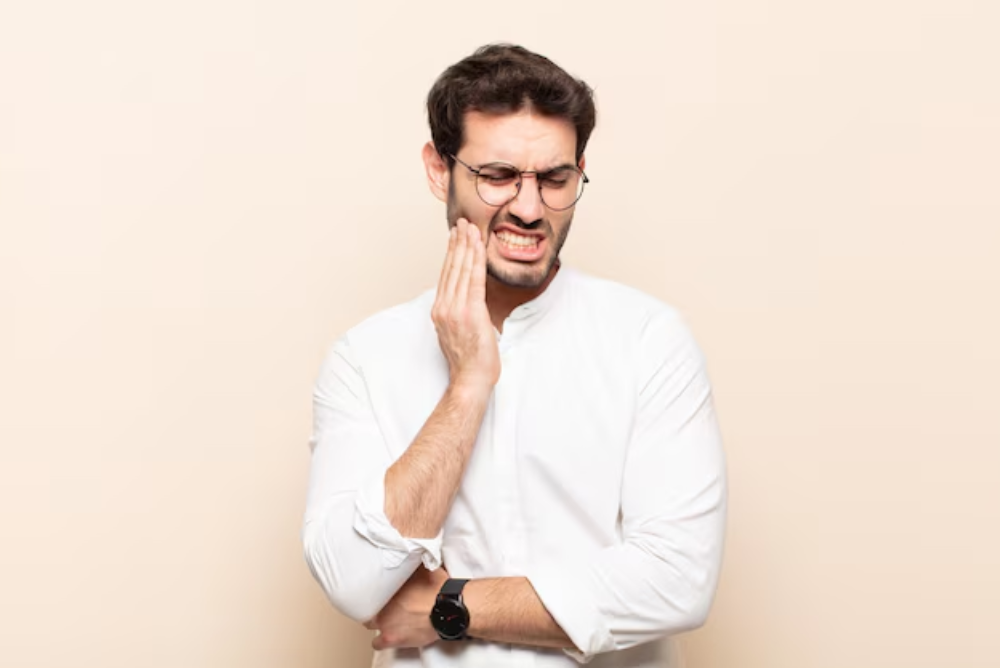
TMJ disorder affects the joint that connects your lower jaw to your skull. This joint works every time you talk, chew, yawn, or swallow. When it becomes strained or irritated, even simple movements can feel uncomfortable.Common symptoms include
- Pain or soreness in the jaw
- Ear pain without an ear infection
- Clicking or popping when moving the jaw
- Difficulty in opening the mouth fully
- A feeling that the jaw is locked
Common Mistakes That Make TMJ Worse
Certain habits place extra pressure on the jaw joint.- Clenching or grinding your teeth
- Chewing gum often
- Biting nails or chewing pens
- Eating hard or sticky foods
- Opening your mouth too wide
- Holding your phone between your ear and shoulder
Ignoring Early Symptoms
It is common to wait and hope the pain will go away. But mild clicking or tightness can slowly turn into constant discomfort. If symptoms continue for more than a few weeks, consider a visit to a dentist near you. Early care can prevent the condition from getting worse. Simple treatments can be more effective when started early.Poor Posture and Daily Strain
Your posture can affect your jaw more than you think.- Looking down at your phone for a long time
- Slouching at a computer
- Driving for hours without good back support
- Sleeping on your stomach
- Using pillows that push your head forward
Relying Only on Pain Relief
Pain relief tablets may reduce discomfort for a short time. But they do not treat the cause. Taking medication without a proper check can delay needed care. A complete evaluation at a dental clinic in Vancouver can help find the exact reason behind your pain. A clear diagnosis helps guide the right treatment plan.Stress and Jaw Tension
Stress can make your jaw muscles tight. Many people clench their teeth without knowing it, especially while sleeping.Simple TMJ care tips
- Do simple jaw exercises if your dentist advises
- Hold a warm cloth on your jaw to relax it
- Take slow breaths to reduce tension
- Keep your teeth slightly apart when resting
- Take short breaks to relax your jaw
Eating Habits That Trigger Pain
Food choices matter during flare ups.- Nuts
- Hard candies
- Tough meat
- Chewy bread
- Sticky snacks
- Large bites of food
When to Seek Immediate Help
Do not delay care if you notice- Jaw locking in one position
- Severe swelling near the jaw
- Sudden sharp pain that does not improve
- Trouble opening or closing your mouth